
Most people have heard of knee or hip replacements. Far fewer know that shoulders can be replaced too, and that there are different types of shoulder replacement depending on the specific damage involved. For patients with rotator cuff damage combined with arthritis a standard shoulder replacement often will not work. That is where reverse shoulder replacement comes in, and why the surgical technique used to perform it matters more than most patients realize.
How Reverse Shoulder Replacement Works for Severe Rotator Cuff Damage
In a traditional total shoulder replacement, the anatomy stays the same: a ball-shaped implant replaces the top of the humerus and a socket component replaces the glenoid (shoulder socket). The rotator cuff muscles still do the work of moving the arm.
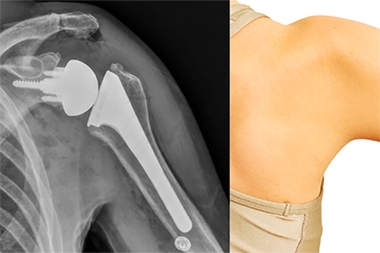
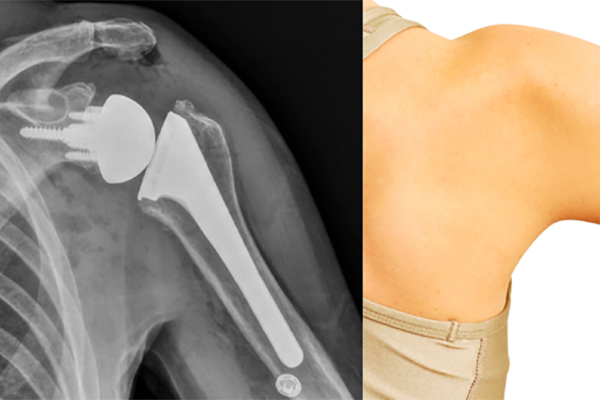
A reverse shoulder replacement, as the name suggests, flips that design. The ball component is placed on the shoulder socket side and the socket component is placed on the upper arm. This reconfiguration shifts the workload from the damaged rotator cuff to the deltoid muscle, which is typically still intact and functional.
The result: patients who could not lift their arm above shoulder height due to a failed or irreparable rotator cuff can regain meaningful range of motion and significant pain relief.
Who Needs Reverse Shoulder Replacement Surgery?
Reverse shoulder replacement is not for every patient with shoulder pain. It is most appropriate for people who have:
- A massive, irreparable rotator cuff tear combined with arthritis (a condition called cuff tear arthropathy)
- Severe shoulder arthritis where a previous standard replacement has failed
- Certain complex fracture patterns of the proximal humerus
- Specific tumor-related conditions affecting the shoulder joint
Age, activity level, bone quality, and overall health all factor into whether this procedure is the right approach. A thorough evaluation including imaging and a physical exam is essential before any decision is made.
Why Robotic-Assisted Reverse Shoulder Replacement Improves Accuracy
Shoulder replacement surgery, whether standard or reverse, depends on precise implant positioning. Even small deviations in the angle or depth of component placement can affect range of motion, stability, and how long the implant lasts. This is where robotic-assisted surgery becomes more than a technological novelty.
The Mako Robotic system allows the surgeon to create a three-dimensional plan before the procedure even begins, based on the patient's own CT scan data. During surgery, the robotic arm provides real-time guidance and haptic feedback, physically limiting instrument movement to the pre-planned surgical zone. The surgeon remains in control at every step, but the system adds a layer of consistency that is difficult to replicate through manual technique alone.
For reverse shoulder replacement specifically, accurate positioning of the glenosphere (the new ball component placed on the socket side) is critical. Malpositioning is one of the leading causes of complications and revision surgery in shoulder replacement. Robotic guidance directly addresses that risk.
Frequently Asked Questions About Reverse Shoulder Replacement
1. How long does a reverse shoulder replacement last?
Modern implants are designed to last 15 to 20 years or longer in many patients, though longevity depends on activity level, bone quality, and implant positioning. Robotic-assisted placement is associated with improved component positioning, which may support longer implant survival.
2. What is the recovery time after reverse shoulder replacement?
Most patients wear a sling for four to six weeks after surgery. Physical therapy typically begins within the first week, and meaningful functional improvement is often noticeable within three months. Full recovery can take six to twelve months.
3. Is reverse shoulder replacement painful?
Discomfort is expected in the early weeks following surgery, but most patients report that the procedure significantly reduces the chronic pain they experienced before surgery. Pain management protocols are used throughout recovery.
4. Can you sleep on the shoulder after reverse shoulder replacement?
Most surgeons advise against sleeping on the operated shoulder for at least three to six months after surgery. Sleeping in a recliner or propped upright is often recommended in the early recovery period.
5. What is the difference between a standard and reverse shoulder replacement?
In a standard replacement, the ball replaces the humeral head and the socket receives a smooth lining, relying on the rotator cuff for movement. In a reverse replacement, the positions of the ball and socket are switched, allowing the deltoid muscle to power arm movement when the rotator cuff is too damaged to function.
Shoulder pain that limits your daily life, especially when it comes with weakness or the inability to raise your arm, deserves a thorough evaluation rather than a wait-and-see approach. Dr. Brian Hill sees patients at Palm Beach Orthopaedic Institute locations in Jupiter, Palm Beach Gardens, and West Palm Beach, with experience in both standard and robotic-assisted reverse shoulder replacement for patients across Palm Beach County.
Reference Links:
AUTHOR: Brian W. Hill, M.D., FAAOS – Orthopaedic Shoulder & Elbow Surgeon
Brian W. Hill, M.D., FAAOS is a board-certified orthopaedic surgeon specializing in shoulder and elbow care at Palm Beach Orthopaedic Institute. He provides comprehensive treatment for a wide range of shoulder and elbow conditions, utilizing both advanced arthroscopic and open surgical techniques, including Mako robotic-assisted shoulder replacement — a cutting-edge technology offered by only a select few surgeons nationwide. Dr. Hill is known for combining evidence-based medicine with clear communication and compassionate, patient-centered care to help individuals make confident, informed treatment decisions.
Credentials & Training
Dr. Hill completed his orthopaedic surgery residency at St. Louis University and his shoulder and elbow fellowship at the prestigious Rothman Orthopaedic Institute at Thomas Jefferson University Hospitals. He has authored numerous peer-reviewed articles and book chapters on shoulder and elbow conditions, presenting his research at national and international orthopaedic conferences. View his full publication history on Doximity, ResearchGate, US News Doctors, and PubMed.
Dr. Hill has been recognized as a Top Doctor by Castle Connolly and Palm Beach Illustrated, two of the most respected physician recognition programs in the country.
Clinical Expertise
As a shoulder and elbow specialist, Dr. Hill treats arthritis, sports injuries, instability, fractures, massive rotator cuff tears, complex deformities, and failed previous shoulder surgeries. He has a particular interest in managing challenging shoulder conditions that require advanced reconstructive strategies.
With a passion for baseball, Dr. Hill serves as an assistant team physician for the Washington Nationals in West Palm Beach, providing specialized care to high-level athletes.
Dr. Hill emphasizes a collaborative approach to care, ensuring patients fully understand their diagnosis and treatment options. His goal is to restore function, reduce pain, and help patients safely return to the activities they value most.
Medical Disclaimer: This information is for educational purposes only and does not constitute medical advice. For diagnosis and treatment recommendations, please consult with Dr. Hill or another qualified orthopaedic specialist.


