
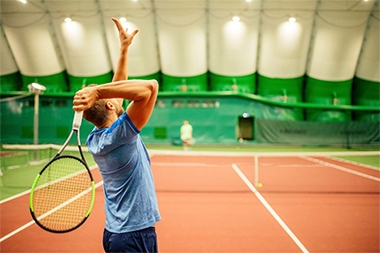

Spring has a way of getting everyone moving again, from competitive athletes to weekend players. But jumping back into sports too quickly, especially those that rely on repetitive overhead motion, can put unexpected strain on the shoulder. When the body isn't fully conditioned, even familiar activities can lead to injury. Here's why rotator cuff tears are the most frequent shoulder injury during the spring season.
Understanding the Rotator Cuff's Role
The rotator cuff is a specialized group of four muscles and tendons that act as the primary stabilizers of your shoulder joint. Think of it as a "cuff" that holds the ball of your humerus (upper arm bone) firmly within the shallow socket of the shoulder blade. This anatomy allows for an incredible range of motion, but it also leaves the tendons susceptible to fraying or snapping when subjected to repetitive high-velocity movements, such as a serve or a pitch.
Why Spring is "Prime Time" for Rotator Cuff Tears
Most rotator cuff injuries in the spring aren't the result of a single traumatic fall. Instead, they often stem from acute-on-chronic issues. After a sedentary winter, tendons may have lost some elasticity and strength. When an athlete jumps back into full-intensity play without a proper ramp-up period, the underconditioned tendons can fail under the load. This is particularly common in overhead athletes who participate in baseball and softball, tennis and racquet sports, swimming and golf
Recognizing the Warning Signs of Rotator Cuff Tears
A rotator cuff tear rarely goes unnoticed, though the symptoms can vary depending on whether the tear is partial or full-thickness. You should be mindful of the following red flags:
- Dull ache deep in the shoulder: This often worsens when you try to sleep on the affected side.
- Weakness when lifting: Difficulty reaching for a shelf or rotating your arm.
- Mechanical "catching": Feeling a pop or a click during specific movements.
- Limited range of motion: An inability to follow through on a swing or throw without significant discomfort.
Modern Treatment Options for Rotator Cuff Repair
The goal of any orthopedic intervention is to restore function and prevent the progression of the tear. While some minor fraying can be managed with physical therapy and anti-inflammatory protocols, larger tears in active individuals often require surgical repair.
Surgical repair can be performed using minimally invasive arthroscopic techniques. This involves using tiny incisions and a small camera to reattach the tendon to the bone. The approach typically results in less postoperative discomfort and a more streamlined recovery compared to traditional open surgery, helping athletes return to the sports they love with confidence.
Expert Care for Your Shoulder
Ignoring persistent shoulder discomfort can turn a treatable tear into a permanent loss of mobility. If your shoulder is sidelining you this season, it is essential to get a professional diagnosis.
Frequently Asked Questions
1. What causes rotator cuff tears in athletes?
Most tears result from repetitive overhead motions, poor conditioning, or a sudden increase in activity after a period of rest.
2. Can a rotator cuff tear heal on its own?
Small or partial tears may improve with rest and physical therapy, but full-thickness tears often require surgical repair.
3. What sports have the highest risk of rotator cuff injuries?
Sports involving repetitive overhead movements, such as baseball, tennis, swimming, and pickleball, carry the highest risk.
4. Are rotator cuff tears more common with age?
Yes. Tendons naturally weaken over time, making tears more likely, especially in individuals over 40.
5. Can rotator cuff injuries be prevented?
Yes. Proper warm-ups, strength training, and gradually increasing activity levels can significantly reduce risk.
Reference Links:
AUTHOR: Brian W. Hill, M.D., FAAOS – Orthopaedic Shoulder & Elbow Surgeon
Brian W. Hill, M.D., FAAOS is a board-certified orthopaedic surgeon specializing in shoulder and elbow care at Palm Beach Orthopaedic Institute. He provides comprehensive treatment for a wide range of shoulder and elbow conditions, utilizing both advanced arthroscopic and open surgical techniques, including Mako robotic-assisted shoulder replacement — a cutting-edge technology offered by only a select few surgeons nationwide. Dr. Hill is known for combining evidence-based medicine with clear communication and compassionate, patient-centered care to help individuals make confident, informed treatment decisions.
Credentials & Training
Dr. Hill completed his orthopaedic surgery residency at St. Louis University and his shoulder and elbow fellowship at the prestigious Rothman Orthopaedic Institute at Thomas Jefferson University Hospitals. He has authored numerous peer-reviewed articles and book chapters on shoulder and elbow conditions, presenting his research at national and international orthopaedic conferences. View his full publication history on Doximity, ResearchGate, US News Doctors, and PubMed.
Dr. Hill has been recognized as a Top Doctor by Castle Connolly and Palm Beach Illustrated, two of the most respected physician recognition programs in the country.
Clinical Expertise
As a shoulder and elbow specialist, Dr. Hill treats arthritis, sports injuries, instability, fractures, massive rotator cuff tears, complex deformities, and failed previous shoulder surgeries. He has a particular interest in managing challenging shoulder conditions that require advanced reconstructive strategies.
With a passion for baseball, Dr. Hill serves as an assistant team physician for the Washington Nationals in West Palm Beach, providing specialized care to high-level athletes.
Dr. Hill emphasizes a collaborative approach to care, ensuring patients fully understand their diagnosis and treatment options. His goal is to restore function, reduce pain, and help patients safely return to the activities they value most.
Medical Disclaimer: This information is for educational purposes only and does not constitute medical advice. For diagnosis and treatment recommendations, please consult with Dr. Hill or another qualified orthopaedic specialist.


