
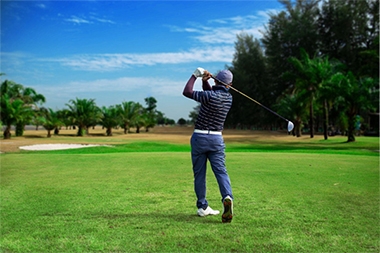
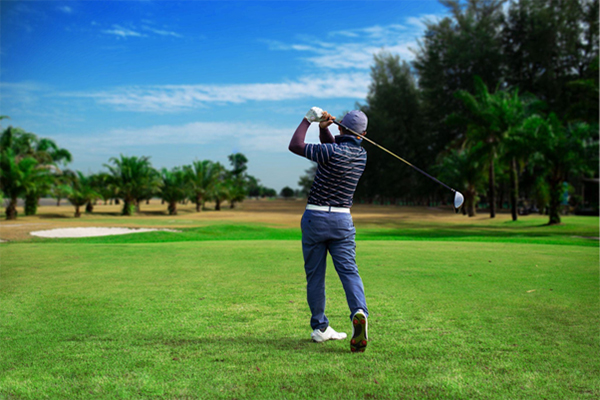
The Palm Beach lifestyle is built around staying active, from early morning golf rounds to afternoon tennis matches. But when chronic shoulder pain or advanced arthritis makes every swing or serve uncomfortable, those activities can quickly fall out of reach. Today, robotic-assisted shoulder replacement is changing that reality, helping patients return to the sports and routines they enjoy with greater precision and confidence.
The Evolution of Total Shoulder Arthroplasty
Shoulder replacement surgery has advanced significantly in recent years. Historically, outcomes were less predictable than hip or knee replacements due to the shoulder’s complex anatomy and range of motion. However, the introduction of robotic-assisted technology and preoperative 3D planning has transformed the procedure.
Using a CT scan, surgeons can create a detailed, personalized model of the patient’s shoulder before surgery. This allows for precise planning of implant size, position, and alignment. Rather than relying solely on intraoperative judgment, surgeons now enter the operating room with a clear roadmap, improving accuracy and consistency. For active patients, this level of precision can make a meaningful difference in both function and long-term results.
Precision Mapping for Better Performance
The shoulder is the most mobile joint in the body, requiring a careful balance between stability and flexibility. Robotic-assisted technology enhances this balance by providing real-time feedback during surgery, helping ensure that implants are positioned exactly as planned.
For patients who enjoy golf, tennis, or other overhead activities, this precision translates into tangible benefits. Improved alignment can support smoother motion, reduce joint friction, and enhance overall stability. Many patients notice better internal rotation, which is critical for a full golf swing or a controlled tennis serve. Proper implant positioning may also reduce wear over time, supporting durability for those who maintain an active lifestyle.
The Recovery Timeline: What to Expect
Recovery after shoulder replacement is a gradual, structured process. While each patient heals differently, robotic-assisted procedures often allow for a more predictable rehabilitation experience.
During the first six weeks, the focus is on protecting the joint and restoring gentle range of motion. This phase allows the surrounding tissues to heal and adapt to the new implant. Between three and four months, patients typically begin strengthening exercises and light functional movements, such as practice swings or controlled tennis strokes.
By six months and beyond, many patients are ready to return to more dynamic activities, including full golf swings and overhead serves. Progress depends on factors such as overall health, adherence to physical therapy, and the condition of the shoulder prior to surgery.
Why Robotic-Assisted Shoulder Replacement Matters
For those living an active lifestyle, especially in a year-round outdoor environment like South Florida, maintaining joint function is essential. Robotic-assisted surgery offers a more personalized approach by tailoring the procedure to each patient’s anatomy.
This technology is particularly valuable in complex cases, such as when there is bone loss or abnormal joint structure. By improving accuracy and reducing variability, robotic systems help optimize outcomes and support a higher level of postoperative function.
Reclaim Your Active Lifestyle
Shoulder replacement is no longer just about relieving pain. With modern techniques, it is increasingly focused on restoring movement, strength, and confidence. Robotic-assisted surgery combines advanced planning with surgical precision, helping patients return to the activities that define their lifestyle.
Whether it’s stepping back onto the golf course or returning to the tennis court, the goal is the same: a shoulder that supports your activity level rather than limiting it.
Frequently Asked Questions
1. What is robotic-assisted shoulder replacement?
It is an advanced surgical technique that uses 3D imaging and robotic guidance to improve implant accuracy and alignment during shoulder replacement.
2. Who is a good candidate for shoulder replacement surgery?
Patients with severe arthritis, chronic pain, or significant loss of shoulder function that does not improve with conservative treatment may be candidates.
3. How long does it take to recover from shoulder replacement?
Most patients see significant improvement within 3 to 6 months, with continued progress up to a year after surgery.
4. When can I return to golf or tennis after surgery?
Light activity may begin around 3 to 4 months, with a return to full play often possible around 6 months, depending on recovery.
Reference Links:
Return-to-Golf Rate After Shoulder Arthroplasty: A Systematic Review and Meta-analysis - PubMed Central
AUTHOR: Brian W. Hill, M.D., FAAOS – Orthopaedic Shoulder & Elbow Surgeon
Brian W. Hill, M.D., FAAOS is a board-certified orthopaedic surgeon specializing in shoulder and elbow care at Palm Beach Orthopaedic Institute. He provides comprehensive treatment for a wide range of shoulder and elbow conditions, utilizing both advanced arthroscopic and open surgical techniques, including Mako robotic-assisted shoulder replacement — a cutting-edge technology offered by only a select few surgeons nationwide. Dr. Hill is known for combining evidence-based medicine with clear communication and compassionate, patient-centered care to help individuals make confident, informed treatment decisions.
Credentials & Training
Dr. Hill completed his orthopaedic surgery residency at St. Louis University and his shoulder and elbow fellowship at the prestigious Rothman Orthopaedic Institute at Thomas Jefferson University Hospitals. He has authored numerous peer-reviewed articles and book chapters on shoulder and elbow conditions, presenting his research at national and international orthopaedic conferences. View his full publication history on Doximity, ResearchGate, US News Doctors, and PubMed.
Dr. Hill has been recognized as a Top Doctor by Castle Connolly and Palm Beach Illustrated, two of the most respected physician recognition programs in the country.
Clinical Expertise
As a shoulder and elbow specialist, Dr. Hill treats arthritis, sports injuries, instability, fractures, massive rotator cuff tears, complex deformities, and failed previous shoulder surgeries. He has a particular interest in managing challenging shoulder conditions that require advanced reconstructive strategies.
With a passion for baseball, Dr. Hill serves as an assistant team physician for the Washington Nationals in West Palm Beach, providing specialized care to high-level athletes.
Dr. Hill emphasizes a collaborative approach to care, ensuring patients fully understand their diagnosis and treatment options. His goal is to restore function, reduce pain, and help patients safely return to the activities they value most.
Medical Disclaimer: This information is for educational purposes only and does not constitute medical advice. For diagnosis and treatment recommendations, please consult with Dr. Hill or another qualified orthopaedic specialist.


